04 November 2026
Pros and Cons of Flat Roof Extensions in Wet Climates
Presented by @lukasdhya473
The Sunshine Coast is known for its beaches, hinterland and relaxed lifestyle, but it also copes with a lot of rain. Many coastal and hinterland areas receive well over 1,500 mm a year, and summer storms, ex-tropical cyclone remnants and east coast lows can dump heavy rainfall in short bursts. If you're planning a home extension, the roof style matters. Flat roofs are popular for modern designs, but they behave differently from pitched roofs in wet conditions. This guide covers the advantages and drawbacks so you can decide whether a flat roof suits your project.
What Is a Flat Roof Extension?
Despite the name, a flat roof is rarely completely flat. Most are built with a slight fall, often between 1 and 5 degrees, so water drains toward gutters, downpipes or internal outlets. In Australia, low-pitch roofs are commonly built using metal sheeting (such as long-run Colorbond in a low-pitch profile), single-ply membranes like TPO or PVC, EPDM rubber, bitumen-based membranes, or liquid-applied waterproofing systems. The material you choose has a major effect on how well the roof copes with heavy rain.
The Pros of Flat Roof Extensions
Modern Design and Clean Lines
Flat and skillion-style roofs suit contemporary coastal architecture. They allow for minimalist profiles, large glass openings and seamless indoor-outdoor connections, which are all popular features in Sunshine Coast homes.
Easier Integration with Existing Homes
A low-profile roof can be tucked beneath existing eaves or window sills on a single-storey addition. This helps maintain sunlight and views for the original house, and it avoids the bulky look a pitched roof can create when attached to a smaller structure.
Lower Overall Height
A lower roof can help meet height limits and setback requirements, and it may reduce the visual impact on neighbours. This can be useful on smaller lots or where view-sharing is a concern under local planning rules.
Usable Roof Space
With the right structure and waterproofing, a flat roof can support a roof deck, a green roof or solar panels. Solar is particularly attractive in a region with strong sunshine hours, and a flat surface makes panel positioning simpler.
Cost-Effective Construction
Simple framing and less roof area can reduce material and labour costs. For small extensions such as a bedroom, study or bathroom addition, a flat roof can be a practical and economical option.
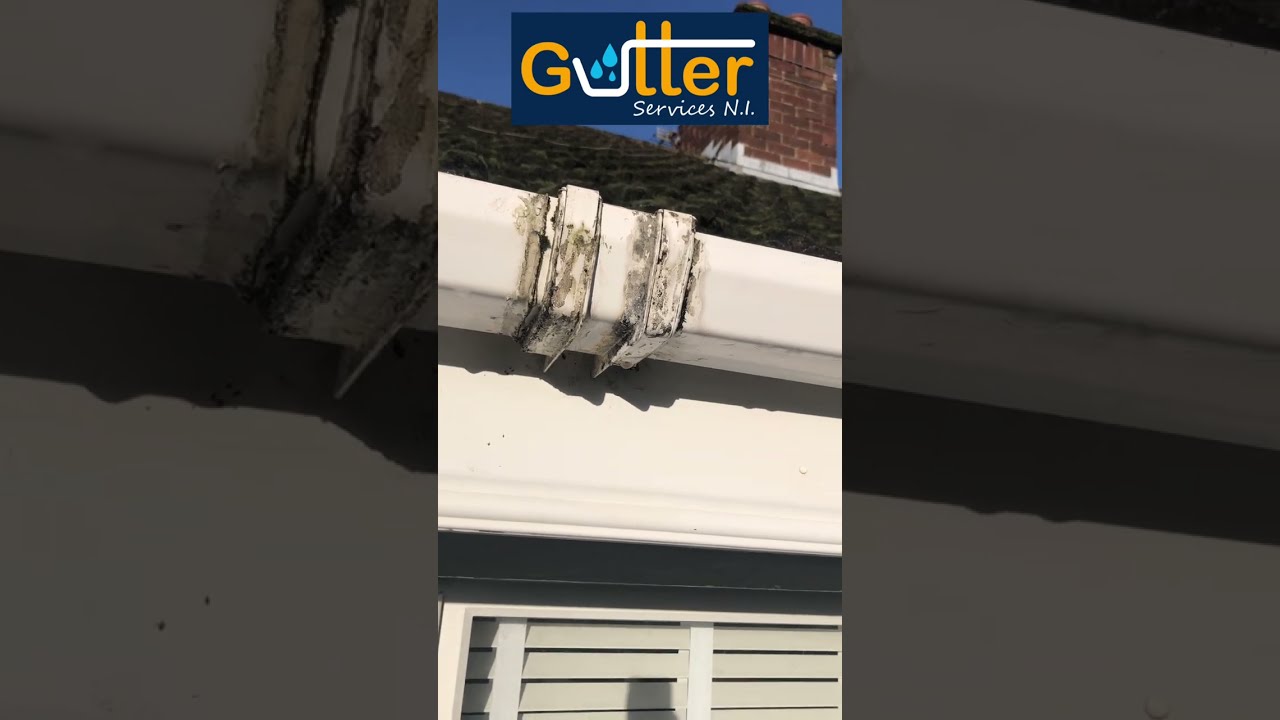
The Cons of Flat Roof Extensions in Wet Climates
Drainage Challenges
This is the biggest concern. Because water moves slowly off a low-pitch roof, intense downpours can overwhelm gutters and outlets. Poorly designed drainage leads to ponding, which accelerates membrane wear and increases leak risk. Roofs must be designed for the rainfall intensities specified for your location, and gutters and downpipes need to be sized accordingly. Overflow provisions are also important.
Higher Leak Risk
Flat roofs https://sunshinecoastroofrestoration.com.au/painting-sealing/ have more horizontal surface exposed to standing water and fewer natural shedding angles. Penetrations for vents, skylights and solar mounts, as well as junctions with walls, are common failure points. Poor flashing or rushed installation can result in leaks that show up months or even years later.
Maintenance Demands
Leaves, palm fronds and debris from the region's lush vegetation can quickly block outlets and gutters. Flat roofs generally need inspections at least twice a year, and also after major storms. Neglect can shorten their lifespan significantly.
Humidity, Mould and Condensation
Warm, humid air combined with poor ventilation can cause condensation inside roof cavities, leading to mould, timber decay and reduced insulation performance. Vapour management and proper cavity ventilation are essential in coastal Queensland conditions.
Shorter Lifespan for Some Materials
Depending on the system, membrane roofs may last roughly 15 to 30 years, whereas well-installed pitched metal roofs can last longer. UV exposure, heat and moisture all contribute to wear. Quality materials and professional installation make a major difference.
Coastal Corrosion
Homes near the ocean face salt-laden air that can corrode fasteners, flashings and metal roofing. Marine-grade materials and appropriate coatings are important, and your builder should select products suited to the specific exposure category of your site.
Key Design Features That Improve Performance
Many of the drawbacks can be reduced with careful design. The following features are worth discussing with your designer or builder:
- Adequate fall: Aim for a pitch that meets the manufacturer's minimum requirements and encourages quick drainage. Many designers prefer more than the bare minimum in wet regions.
- Oversized gutters and downpipes: Larger capacity helps manage intense bursts of rain.
- Overflow protection: Overflow outlets or box gutter relief allow water to escape safely if the main drainage is blocked.
- Continuous waterproof membranes: Fewer joins mean fewer weak points.
- Raised upstands and quality flashings: Edges and wall junctions should be properly detailed and sealed.
- Ventilated roof cavity: This reduces condensation and mould risk.
- Light-coloured finishes: Reflective surfaces help reduce heat gain in summer.
Material Options to Consider
Metal Sheeting
Low-pitch metal roofing is durable, relatively light and widely used in Queensland. Check that the profile is rated for the pitch you intend to use, and that laps, fixings and sealants meet manufacturer requirements. In coastal areas, choose products suited to high-corrosion environments.
Single-Ply Membranes (TPO, PVC)
These are heat-welded at the seams and can create a strong, continuous waterproof layer. They are reflective and relatively lightweight, which makes them a popular option for modern extensions.
EPDM Rubber
EPDM is flexible, durable and resistant to UV. It's often supplied in large sheets, which means fewer seams. Installation quality is critical around edges and penetrations.
Liquid-Applied Membranes
These are useful for complex shapes and detailed junctions because they form a seamless surface. They need correct thickness and careful preparation to perform well over time.
Regulations and Approvals on the Sunshine Coast
Any extension must comply with the National Construction Code, relevant Australian Standards and Sunshine Coast Council planning requirements. Depending on the scope, you may need a development approval, building approval or both. Height limits, boundary setbacks, site cover and overland flow or flood overlays can all affect your design. Coastal and bushfire overlays may also apply, influencing material choices and construction details.
Since energy efficiency requirements have continued to tighten, extensions in 2026 are expected to meet current NCC provisions for insulation, glazing and condensation management. Always confirm current requirements with your certifier or builder, as regulations can change and further updates may come into effect in 2027 and beyond.
Flat Roof vs Pitched Roof: Quick Comparison
A pitched roof sheds water quickly, is more forgiving of minor installation errors and typically has a longer service life with less maintenance. A flat or low-pitch roof offers a modern look, lower height and the potential for usable roof space, but it requires more precise detailing and regular upkeep. In a wet climate, a skillion roof with a moderate pitch can be a good compromise, offering contemporary style while improving drainage.
Maintenance Tips for Wet Weather
- Clear gutters, outlets and sumps before the wet season, usually from late spring.
- Inspect the membrane or sheeting for blisters, cracks, loose laps and lifted edges.
- Check flashings and sealants around vents, skylights and wall junctions.
- Look for ponding water that remains 48 hours after rain, as this can indicate a drainage problem.
- Trim overhanging branches to reduce debris and limit damage in storms.
- Clean mould and algae gently, following manufacturer recommendations.
- Arrange a professional inspection every few years, or after severe weather.
Questions to Ask Your Builder
Before committing to a flat roof extension, ask how the design handles peak rainfall, what warranty applies to both materials and workmanship, who installs the waterproofing and whether they're accredited by the manufacturer. It's also worth asking for details on overflow measures, ventilation strategy and how the roof will be accessed for maintenance. Reviewing photos of previous projects in similar coastal or humid environments can give you extra confidence.
Is a Flat Roof Extension Right for You?
Flat roof extensions can work very well on the Sunshine Coast when they are designed and built with the local climate in mind. They offer style, flexibility and potential cost savings, but they also demand better drainage design, higher-quality waterproofing and more consistent maintenance than most pitched alternatives. If you value a contemporary look and are prepared to invest in quality materials and regular upkeep, a flat or low-pitch roof can be a smart choice. If low maintenance and long-term durability are your top priorities, a pitched or moderately sloped skillion roof may be a better fit.
Speaking with a local builder or designer familiar with Sunshine Coast conditions is the best next step. They can assess your site, advise on approvals and recommend roofing systems proven to perform in high-rainfall, coastal environments.
Sunshine Coast Roof Restoration & Repair
Unit 8/13 Newspaper Pl, Maroochydore QLD 4558
(07) 4145 4576